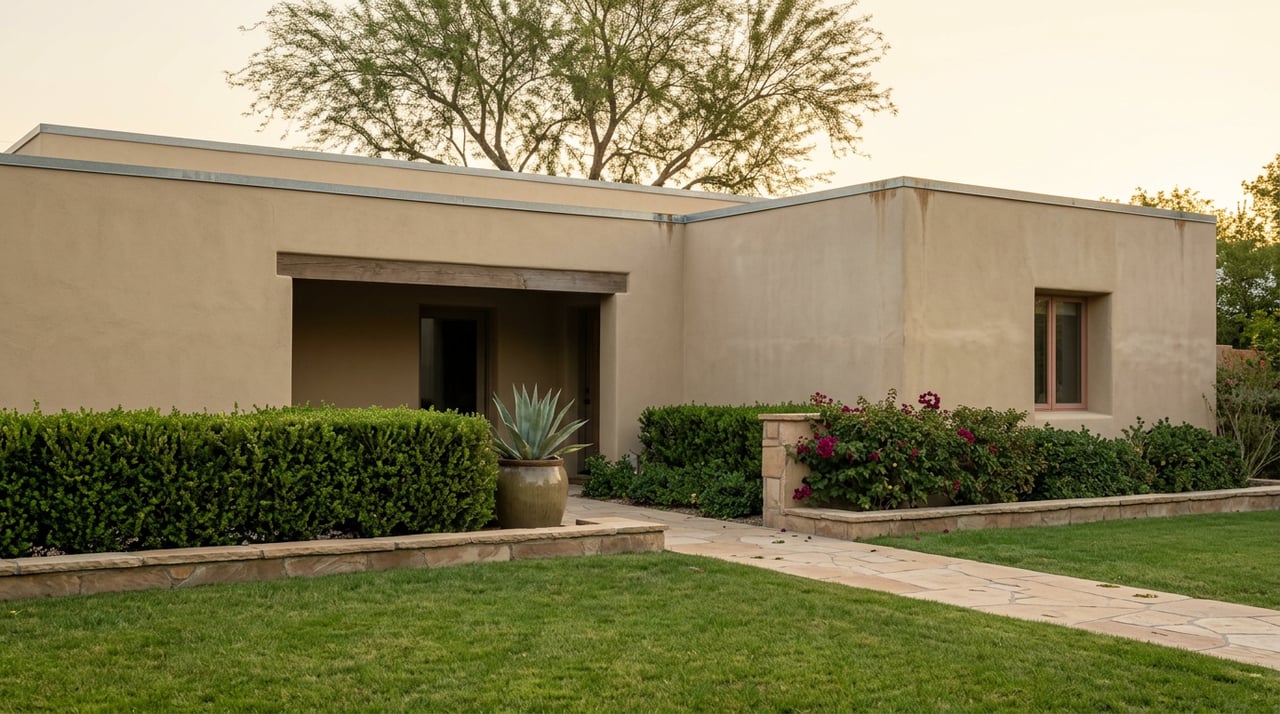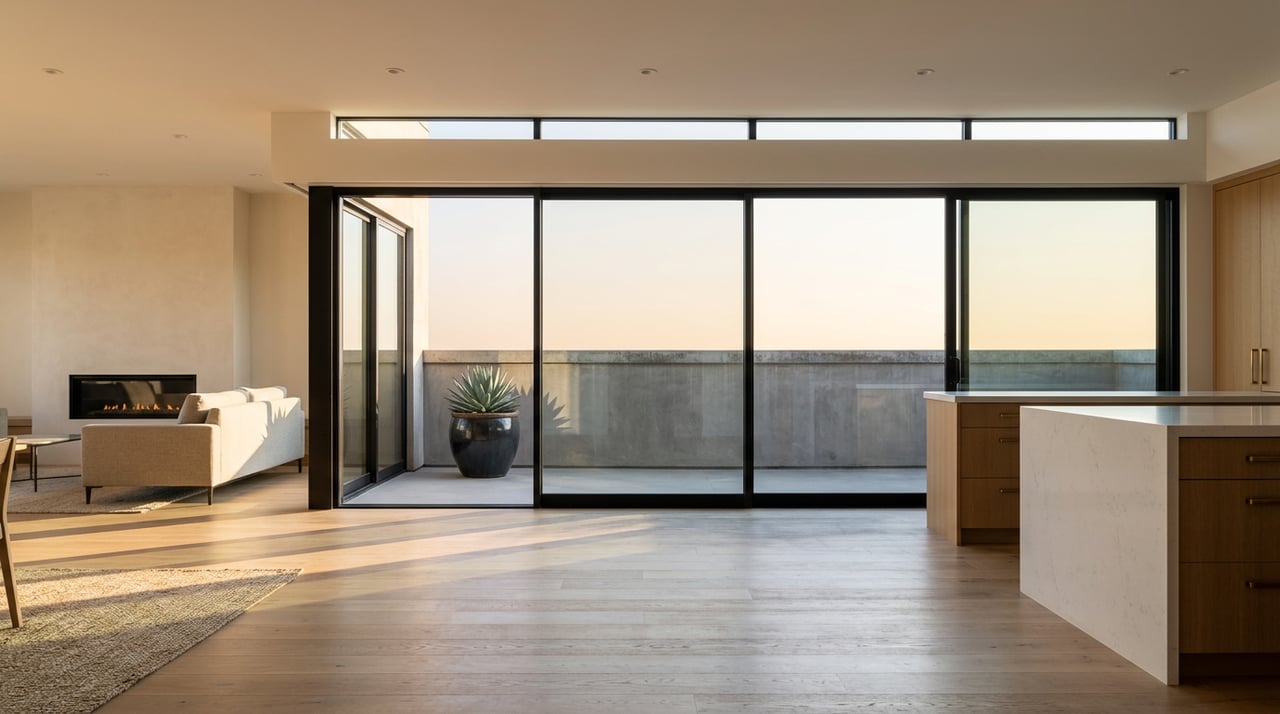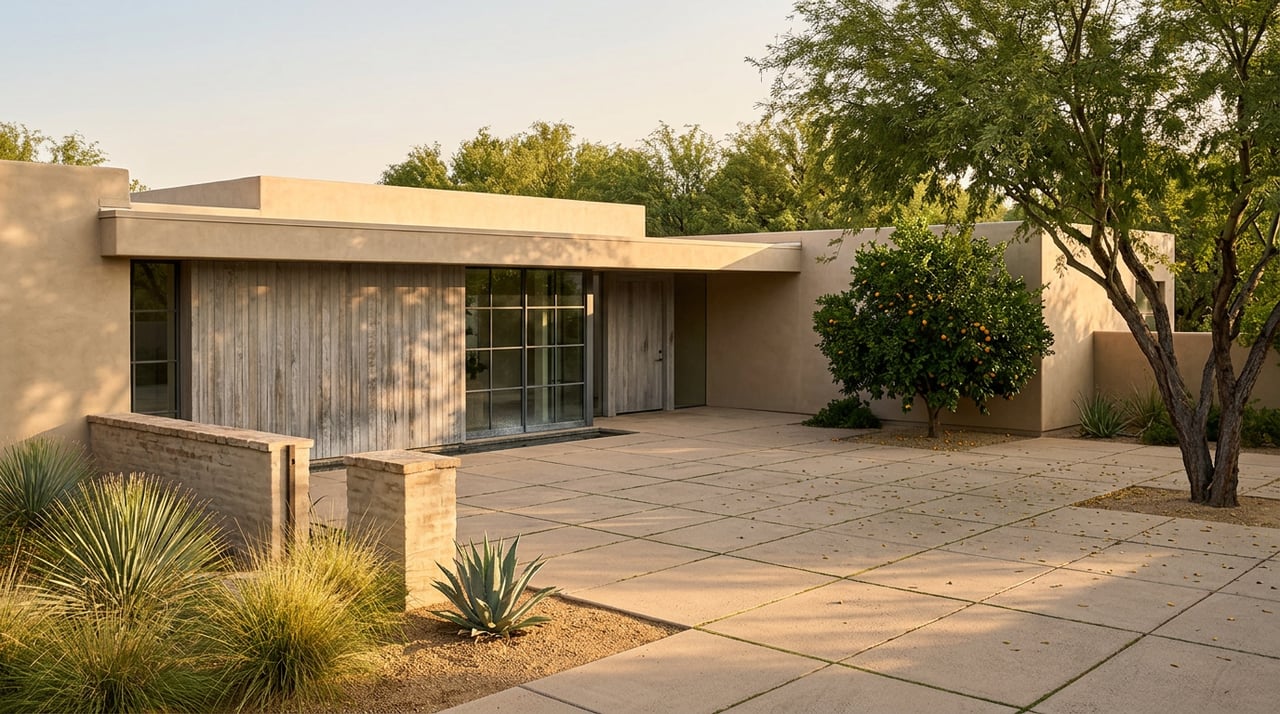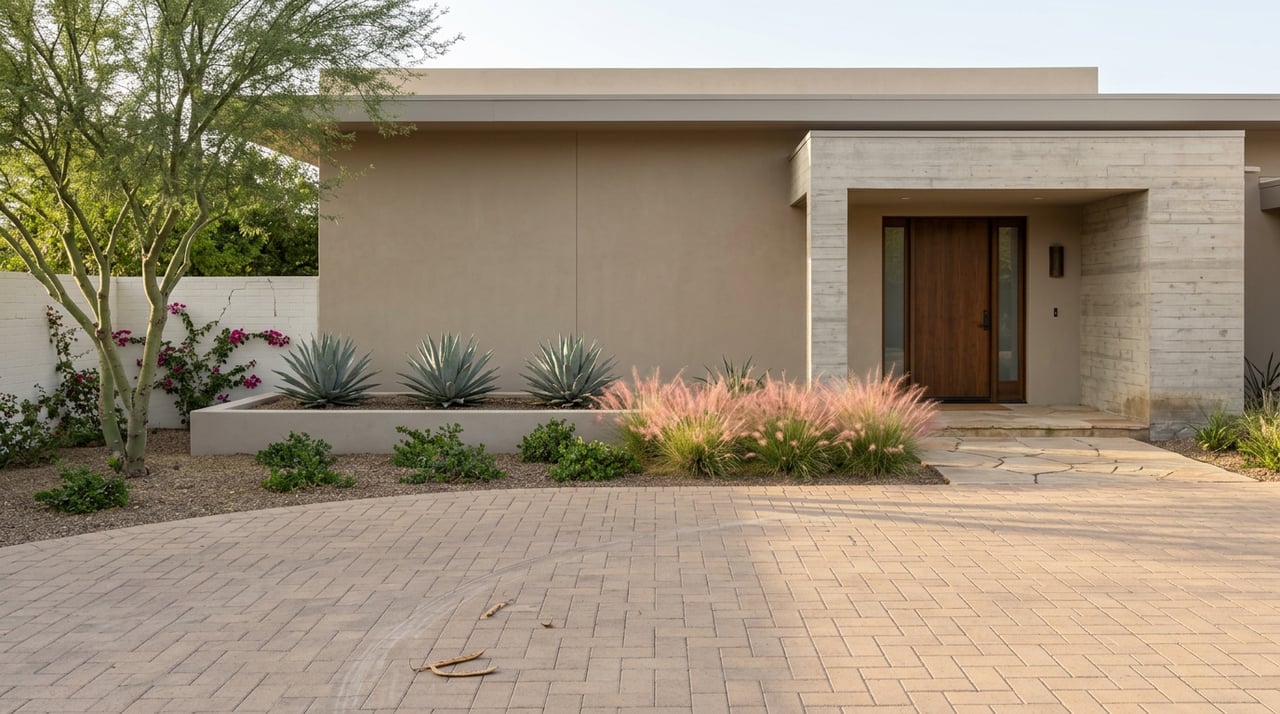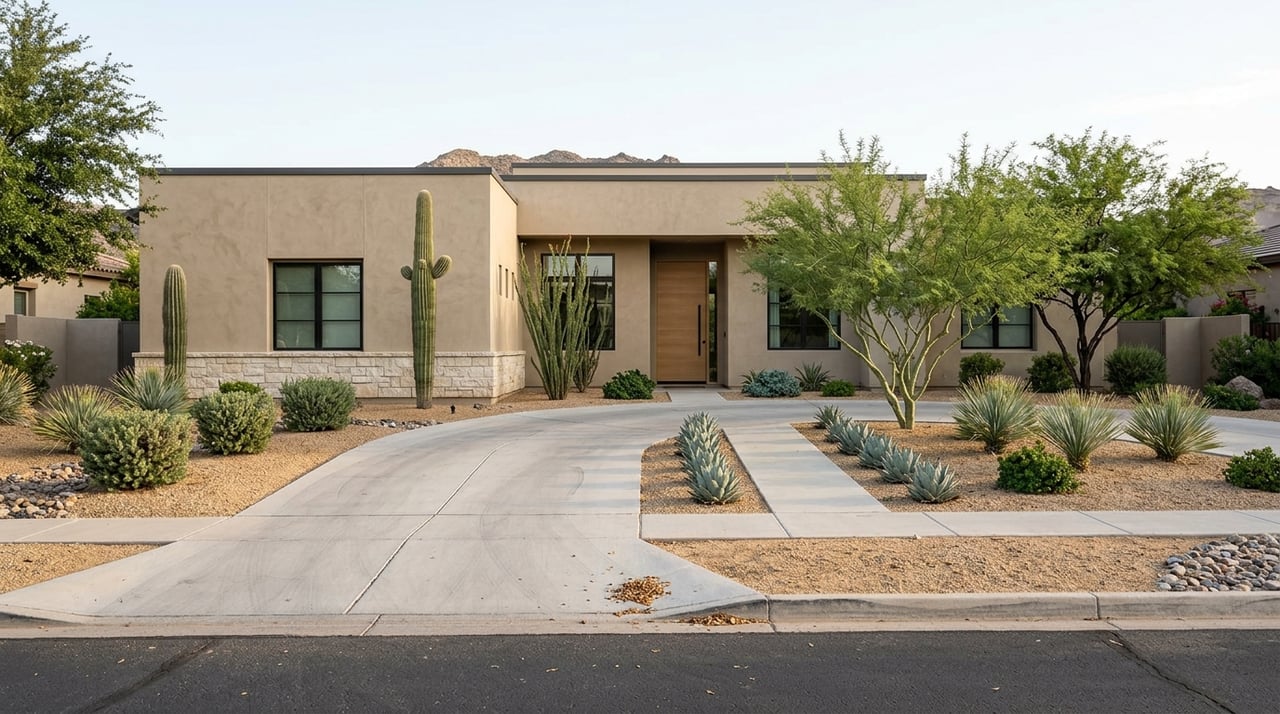
If you are searching for a place that feels private, polished, and distinctly residential in the middle of Metro Phoenix, Paradise Valley often stands out fast. It offers a different pace from many surrounding areas, with large lots, mountain views, and a setting shaped more by homes and open space than by dense retail corridors. If you want to understand what daily life here really feels like, this guide will walk you through the lifestyle, setting, and practical tradeoffs that come with living in Paradise Valley. Let’s dive in.
Paradise Valley at a Glance
Paradise Valley is a small town in the Scottsdale-Phoenix metro area with about 12,774 residents across 15.4 square miles, according to the town. It incorporated in 1961, and its early residents organized in part to preserve a rural, mostly residential setting with zoning around one house per acre minimum.
That original vision still shapes the town today. Paradise Valley says it remains predominantly zoned for single-family housing, with large parcels historically ranging from one to five acres and a strong emphasis on low-density residential development.
A Quiet, Residential Daily Rhythm
One of the first things you may notice about Paradise Valley is how intentionally residential it feels. The town’s 2022 General Plan describes it as a predominantly low-density community with a residential focus, limited commercial uses, and no industrial uses within town limits.
That land-use pattern affects everyday life in a very real way. Instead of a busy downtown core or clusters of large commercial centers, you are more likely to experience custom homes, landscaped lots, and quieter streets that support privacy and a slower pace.
The planning area is about 75.94% single-family residential, and the town is nearing build-out. In practical terms, that means future change is more likely to come through remodels and infill rather than major new subdivisions.
Large Lots and Estate-Style Living
Paradise Valley is often associated with estate properties, and the town’s planning and history help explain why. Minimum lot sizes are generally at least one acre, which creates a more spacious feel than you will find in many parts of Greater Phoenix.
For you as a buyer, that can translate into greater separation between homes, more room for outdoor living, and a setting that feels more secluded. It also helps explain why Paradise Valley is often seen as an enclave of custom homes and resort properties rather than a conventional suburb.
This is a lifestyle built around space. If you value privacy, a sense of calm, and a residential environment that does not feel tightly packed, Paradise Valley offers a clear point of difference.
Mountain Views Shape the Experience
Paradise Valley’s natural setting is a major part of daily life. The town is framed by Camelback Mountain to the south, the Phoenix Mountain Preserve to the west, and the McDowell Mountains to the east.
The result is a backdrop that feels central to the town’s identity, not secondary to it. Whether you are at home, driving through town, or visiting one of the local resort properties, the scenery is part of the experience.
The Paradise Valley Mountain Preserve Trust also works to acquire, maintain, preserve, and protect land on and around the Mountain Preserve. The trust says this includes Mummy Mountain, Camelback Mountain, and the Phoenix Mountain Preserve area within town boundaries, including about 320 acres atop Mummy Mountain.
Outdoor Living Is Part of Daily Life
Climate also plays a big role in what it feels like to live here. According to the town, Paradise Valley averages 294 sunny days each year, receives about 7.3 inches of annual rainfall, and gets no snowfall.
Summer is hot, with an average July high of 104°F, while winter mornings can be cool, with an average January low of 35.9°F. Even with summer heat, the high number of sunny days helps make patios, pools, mountain-view terraces, and other outdoor spaces a meaningful part of how many homes are used.
If you are drawn to indoor-outdoor living, Paradise Valley’s climate and lot sizes work together to support that lifestyle. The setting often feels designed for enjoying the desert landscape rather than simply looking at it.
Resorts and Golf Are Part of the Town Identity
Although Paradise Valley is residential first, it is also known for its resort presence. The town says it is home to 9 resorts and 3 golf courses, which gives the area a hospitality and leisure dimension that sets it apart from many other residential communities.
The town also highlights golf destinations such as Camelback Golf Club and Mountain Shadows Golf Club. On the resort side, Paradise Valley lists properties including ANdAZ Scottsdale Resort and Spa, Camelback Inn, DoubleTree Resort, Hermosa Inn, Mountain Shadows, Omni Scottsdale Resort & Spa at Montelucia, and Sanctuary Camelback Mountain.
This mix creates an interesting balance. Residential streets can feel calm and private, while resort and golf areas bring activity, dining, and service amenities into the broader town fabric.
Services Without Heavy Commercial Density
Paradise Valley’s identity is not built around major retail corridors, but it still includes useful everyday services. The town says it has 4 medical centers, 14 places of worship, and 11 public and private schools.
That snapshot helps explain the local rhythm. You have a residential setting with selected service and hospitality uses nearby, but without the feel of a heavily commercialized environment.
For some buyers, that is a major advantage. It can mean a more peaceful atmosphere while still keeping key conveniences and amenities within reach.
Access to Scottsdale and Phoenix Matters
A big part of living in Paradise Valley is what sits just beyond its borders. The town describes itself as being in the heart of Scottsdale-Phoenix, and that central location is a meaningful part of the lifestyle.
Because commercial uses are limited within town limits, many shopping trips, entertainment outings, and broader day-to-day errands are often handled in neighboring Scottsdale or Phoenix. For many residents, that is an acceptable tradeoff for the privacy, space, and scenery Paradise Valley provides at home.
If you want a dense, walkable district right outside your door, Paradise Valley may not be the ideal fit. If you prefer a quiet residential base with easy access to the wider metro area, it can be a compelling choice.
What Paradise Valley Feels Like Day to Day
At its core, Paradise Valley offers a deliberate combination of calm residential living and access to upscale amenities. The town’s planning documents describe a place focused on preserving residential character while balancing visitor-oriented uses such as resorts and golf.
That means your everyday experience may include peaceful streets, custom homes, mountain views, and a strong sense of separation from busier urban patterns. At the same time, you are still near the dining, shopping, and cultural options of Scottsdale and Phoenix.
For many buyers, that combination is the appeal. Paradise Valley does not try to be everything at once. Instead, it offers a specific lifestyle centered on space, scenery, and a refined residential setting.
Who Paradise Valley May Suit Best
Paradise Valley tends to appeal to buyers who place a premium on privacy, lot size, and setting. If you are looking for an estate-style environment, mountain surroundings, and proximity to resort and golf amenities, the town aligns well with those priorities.
It may also be a strong fit if you want a home base that feels removed from the pace of surrounding commercial districts, while still keeping the larger Scottsdale-Phoenix market close by. That balance is one of the defining features of the town.
On the other hand, if your ideal lifestyle depends on frequent walkable retail, dense mixed-use development, or a highly urban street scene, you may want to weigh that against Paradise Valley’s intentionally low-density design.
Why Buyers Continue to Watch Paradise Valley
Because Paradise Valley is approaching build-out, its character is relatively established. The town’s development pattern suggests that future change is more likely to come from infill and remodel activity than from broad new expansion.
For buyers, that can add confidence in the consistency of the community’s overall feel. The town’s long-standing emphasis on large lots, residential use, and scenic preservation continues to shape what living here is like today.
If you are considering a move, it helps to think of Paradise Valley less as a conventional suburb and more as a residential enclave with a resort backdrop. That perspective usually gives the clearest picture of what day-to-day life here can offer.
If you are exploring Paradise Valley or comparing it with other luxury enclaves across Metro Phoenix, Cambridge Properties can help you evaluate the lifestyle, lot patterns, and market opportunities with local insight and a tailored approach.
FAQs
What is Paradise Valley like compared with other Phoenix-area communities?
- Paradise Valley is a small, low-density residential town known for large lots, custom homes, mountain views, resort properties, and limited commercial development.
Does Paradise Valley have a walkable downtown area?
- Paradise Valley is not defined by a dense, walkable downtown district. Its land-use pattern is primarily residential, with many shopping and entertainment trips typically extending into Scottsdale or Phoenix.
What kinds of homes are common in Paradise Valley?
- The town is predominantly zoned for single-family housing, and its history and planning framework support large-lot, estate-style residential properties.
How important are mountain views in Paradise Valley?
- Mountain views are a major part of the living experience because the town is framed by Camelback Mountain, the Phoenix Mountain Preserve, and the McDowell Mountains.
What amenities are available in Paradise Valley?
- According to the town, Paradise Valley includes 9 resorts, 3 golf courses, 4 medical centers, 14 places of worship, and 11 public and private schools.
Is Paradise Valley mostly built out?
- Yes. The town’s General Plan indicates Paradise Valley is approaching build-out, so future change is more likely to come through infill and remodels than large new subdivisions.