Wondering what makes Arcadia one of Phoenix’s most talked-about neighborhoods? You are not alone. If you are exploring where to live in central Phoenix, Arcadia stands out for its citrus-lined streets, large lots, mountain views, and a lifestyle that feels both established and current. This guide will help you understand what Arcadia is, how it developed, what daily life looks like, and why so many buyers keep it on their shortlist. Let’s dive in.
What Arcadia Means in Phoenix
Arcadia is a neighborhood within Phoenix, not a separate city. It sits in Camelback East Village, and if you ask ten locals where Arcadia begins and ends, you may hear slightly different answers.
That is because Arcadia does not have one universally fixed boundary. The Arcadia Camelback Mountain Neighborhood Association uses 44th Street on the west, 64th Street and Invergordon Road on the east, the Stanford Drive alignment on the north, and Indian School Road on the south. A City of Phoenix historic survey uses a broader Arcadia area north of the Arizona Canal and south of Camelback Mountain between 44th Street and Scottsdale Road.
For you as a buyer or seller, that boundary nuance matters. A home can feel very much like Arcadia in character and still fall under a slightly different map depending on the source.
Why Arcadia Feels So Distinct
Arcadia has a look and feel that is hard to copy. Phoenix planning materials describe Arcadia Camelback as a mature neighborhood at the foot of Camelback Mountain, with a policy goal of preserving its residential character and a predominantly low-density pattern.
That planning vision helps explain why the area feels open and residential even as Phoenix has grown around it. You notice the spacing between homes, the established landscaping, and the strong visual connection to Camelback Mountain.
Visit Phoenix also points to the neighborhood’s citrus roots and leafy setting. Together, those details shape the first impression many people have of Arcadia: lush, settled, and quietly iconic.
Arcadia’s History Still Shapes It Today
To understand Arcadia, it helps to go back to the beginning. Early Arcadia was marketed as rural estate land rather than a typical subdivision, with relatively large five- to ten-acre lots, minimum home-cost restrictions, and a setting designed to attract buyers who wanted space and small citrus orchards.
By the mid-1920s, Arcadia was already being promoted as a viable rural estate community. That origin story still shows up today in the neighborhood’s wide lots, mature trees, and the sense that homes have room to breathe.
This is one reason Arcadia feels different from areas that were built all at once. Its early estate pattern created a foundation for the spacious, green character that people still associate with the neighborhood.
Housing in Arcadia Today
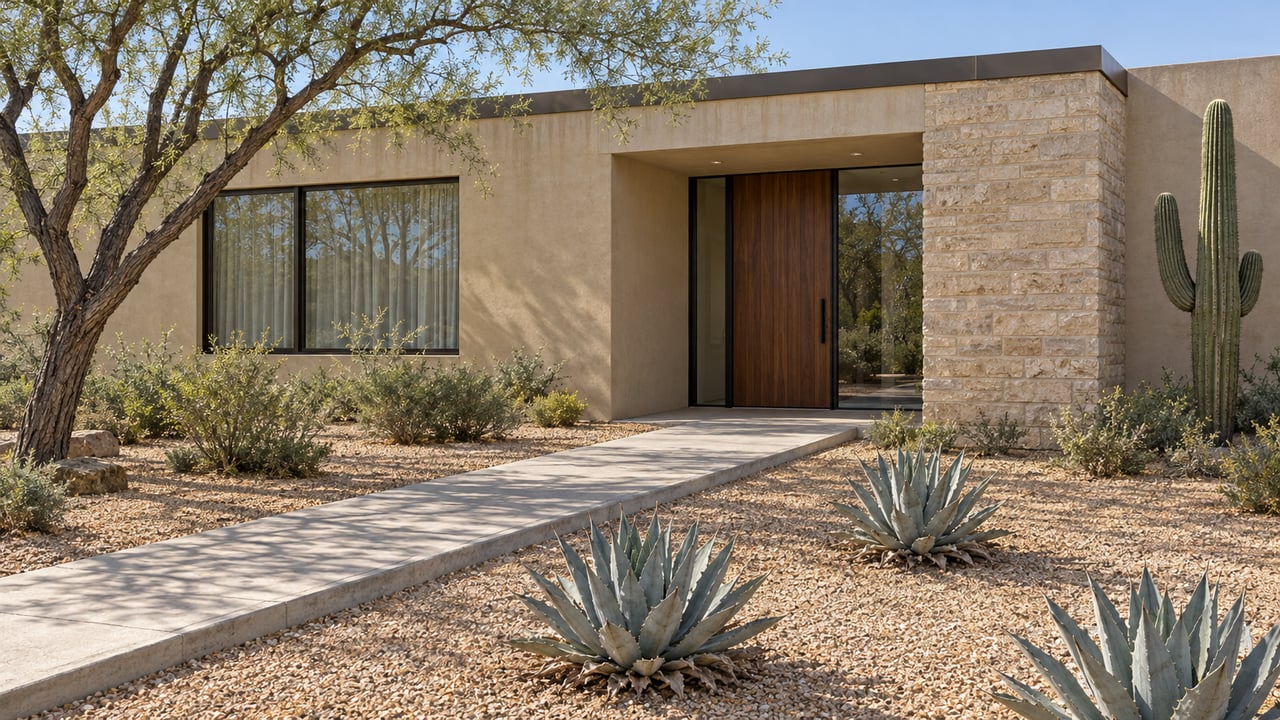
One of the most useful things to know about Arcadia is that it is not a single housing type. You will find original ranch homes, updated mid-century properties, renovated classics, and newer custom construction, often on larger lots.
That mix makes Arcadia appealing to a wide range of buyers. Some people want the charm of a low-slung ranch home with mature landscaping. Others are drawn to a newly built home that offers a more modern layout while still sitting in an established neighborhood.
This variety also reflects the broader housing history of Camelback East, where much of the housing stock was built between 1950 and 1970. In Arcadia, that period still matters, but it now sits alongside newer architectural styles and infill development.
Ranch Homes and Renovated Classics
Mid-century ranch homes are part of Arcadia’s identity. These homes often help define the neighborhood’s streetscape and reinforce the area’s long-standing residential character.
Many have been updated over time, which means you may see original homes with refreshed interiors, expanded footprints, or redesigned outdoor spaces. For buyers, this creates options between preserving classic character and enjoying more current finishes.
Newer Custom Homes
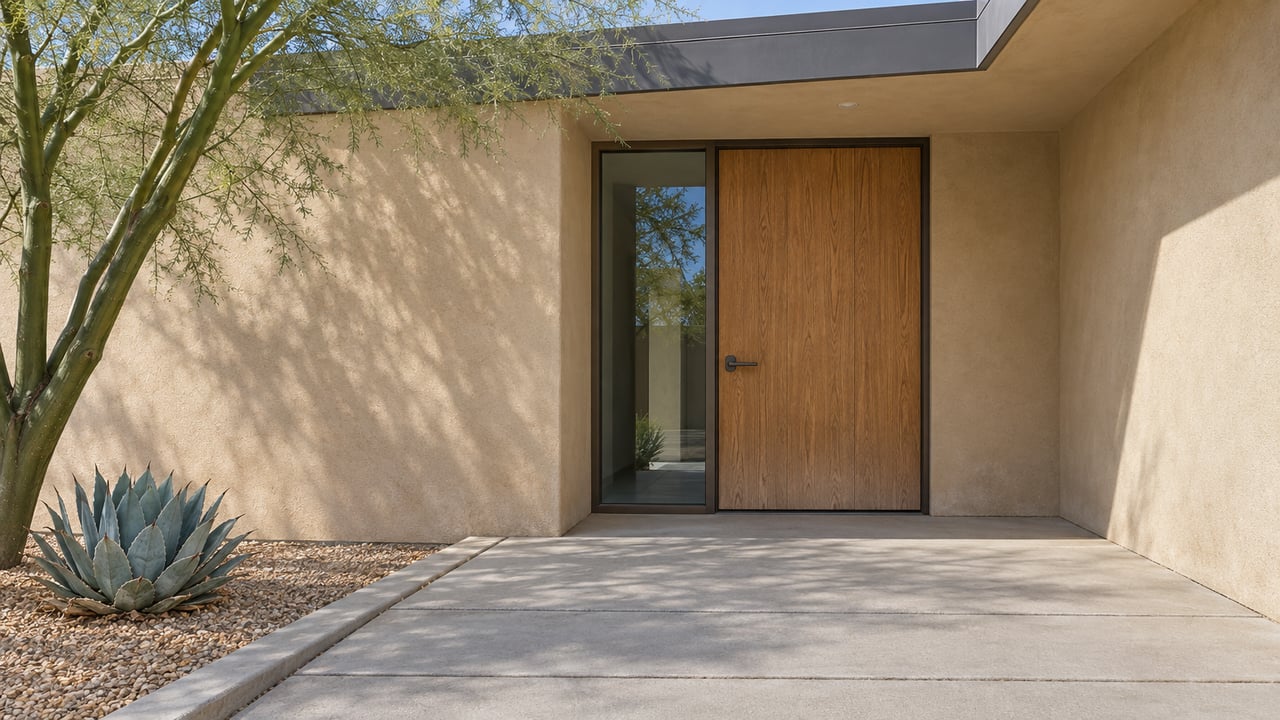
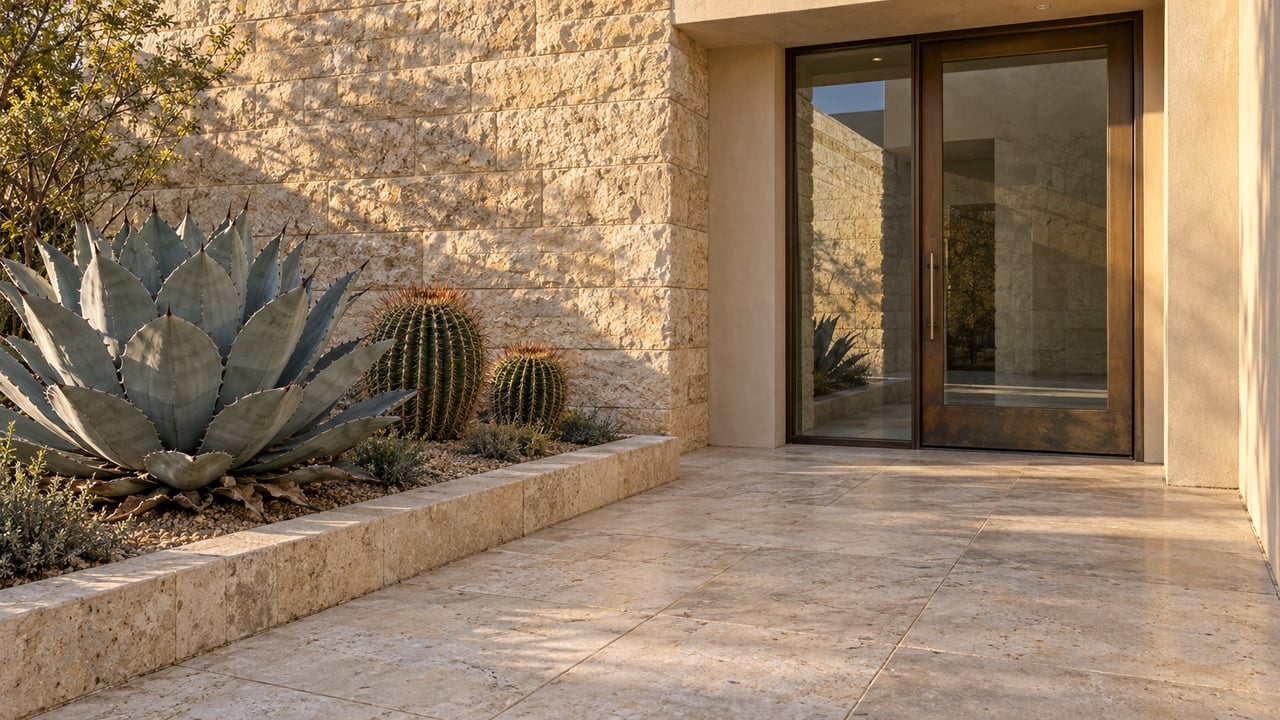
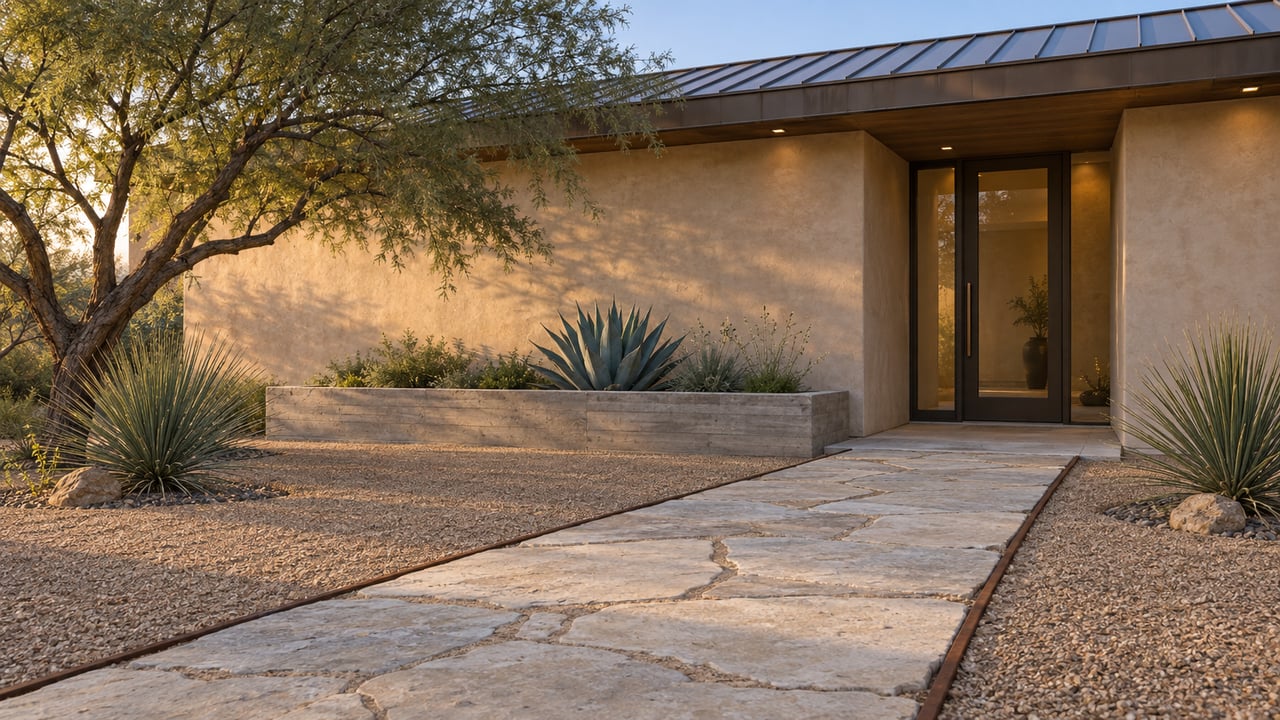
Arcadia also has a strong presence of newer custom homes. Some older homes have been replaced with new construction in a range of styles, which adds to the neighborhood’s architectural mix.
The result is a community that can feel both historic and contemporary at once. If you are looking for a large-lot setting without limiting yourself to one design era, Arcadia often delivers that balance.
Everyday Life in Arcadia
Lifestyle is a big part of Arcadia’s appeal, and much of that lifestyle is shaped by a few key corridors. Camelback Road, Indian School Road, Campbell Avenue, and 40th Street anchor many of the neighborhood’s dining and convenience options.
Visit Phoenix describes Arcadia as a compact area with a surprisingly dense concentration of restaurants and gathering spots. That matters if you want a neighborhood where daily errands, coffee, dinner, and casual meetups feel close at hand.
Some of the area’s best-known spots include LGO near 40th Street, Postino on Campbell, The Henry and The Vig on Camelback, Vecina on Indian School, Chelsea’s Kitchen on 40th Street, and The Stand at 36th Street and Indian School. These are not just destination names. They help shape the rhythm of everyday life in the neighborhood.
More Than Restaurants
A few Arcadia businesses also double as practical convenience stops. Visit Phoenix notes that LGO includes a general store, wine shop, pizzeria, and breakfast spot, while Trevor’s Arcadia blends retail with a full-service bar and restaurant.
That kind of mix adds to Arcadia’s neighborhood feel. Instead of relying only on large commercial centers, you get a more local, integrated pattern of everyday activity.
Postino’s Arcadia location adds another layer to that identity. It is housed in a 1940s brick post office building, which reflects the adaptive-reuse character that gives parts of Arcadia a sense of continuity and place.
Outdoor Access Adds Real Value
Arcadia is not just about homes and restaurants. Outdoor access is a meaningful part of the lifestyle, and for many buyers, it is one of the neighborhood’s biggest selling points.
The Arizona Canal Trail is a local favorite for biking, jogging, and casual walks. G.R. Herberger Park sits along the canal, and Papago Park is nearby at the neighborhood’s edge. Camelback Mountain hiking is also close, which adds another layer of recreational access.
This combination helps Arcadia feel active without feeling overly busy. You can enjoy a residential setting while still being near some of the outdoor places that define life in this part of Phoenix.
Why Buyers Keep Coming Back to Arcadia
Arcadia’s location is one of its clearest advantages. Based on the city’s mapped geography, it works as a bridge between central Phoenix and areas that stretch toward Scottsdale Road.
In practical terms, that means you can be in an established residential neighborhood while keeping convenient access to major corridors in Camelback East. For many buyers, that balance is hard to find.
Arcadia also offers something less tangible but just as important: consistency of identity. Even with architectural change and new construction, the neighborhood still reads as Arcadia because the larger ingredients remain in place. Large lots, mature landscaping, citrus heritage, and mountain context continue to define the experience.
What to Keep in Mind When Exploring Arcadia
If you are serious about Arcadia, it helps to view the neighborhood with a few things in mind:
- Boundaries can vary depending on whether you are looking at neighborhood association maps, city planning materials, or historic surveys.
- Housing is diverse, so your options may range from original ranch homes to substantial custom builds.
- Lifestyle clusters matter, especially along Camelback Road, Indian School Road, Campbell Avenue, and 40th Street.
- Outdoor access is part of the value, with the canal trail, nearby parks, and Camelback Mountain all contributing to daily life.
- The neighborhood’s appeal is layered, combining history, lot size, mature landscaping, and central placement within Phoenix.
For buyers, that means Arcadia is worth exploring in person rather than judging by one listing or one map. For sellers, it means your home’s story is often tied not just to the property itself, but to the neighborhood’s broader identity.
Arcadia Is Both Classic and Current
Few Phoenix neighborhoods balance legacy and change as well as Arcadia. Its roots in rural estates and citrus orchards still shape the setting, while its current housing mix and active dining scene keep it relevant for today’s buyers.
That blend is exactly why Arcadia stays in demand. You get a neighborhood that feels established and visually grounded, but not frozen in time.
If you are considering a move in Arcadia or want expert guidance on positioning a property in one of Phoenix’s most recognizable neighborhoods, Cambridge Properties offers senior-led insight rooted in deep local market knowledge.
FAQs
Where is Arcadia in Phoenix?
- Arcadia is a neighborhood in Phoenix’s Camelback East Village, and its boundaries can vary by source. Common references place it between 44th Street and Scottsdale Road, generally north of the Arizona Canal and south of Camelback Mountain, while neighborhood association boundaries are somewhat narrower.
What types of homes are common in Arcadia?
- Arcadia includes original ranch homes, renovated mid-century properties, updated classics, and newer custom homes, often on larger lots.
What is Arcadia known for in daily life?
- Arcadia is known for its mature landscaping, citrus heritage, residential feel, and a strong cluster of dining and convenience spots along Camelback Road, Indian School Road, Campbell Avenue, and 40th Street.
What outdoor amenities are near Arcadia?
- Nearby outdoor options include the Arizona Canal Trail, G.R. Herberger Park, Papago Park, and hiking access around Camelback Mountain.
Why do buyers look at Arcadia?
- Buyers are often drawn to Arcadia for its large-lot character, established neighborhood feel, varied housing stock, outdoor access, and location within east-central Phoenix.
Do Arcadia boundaries affect a home search?
- Yes. Because Arcadia boundaries are described differently by planning materials, historic surveys, and neighborhood groups, it is helpful to confirm how a specific property is positioned when you are searching or comparing homes.