Looking for a Phoenix neighborhood that feels shaded, established, and surprisingly calm without giving up central-city access? North Central stands out for exactly that reason. If you want a better sense of what living here looks like day to day, this guide will walk you through the corridor’s history, housing character, outdoor lifestyle, and convenience. Let’s dive in.
What North Central Means
North Central generally refers to the North Central Avenue corridor in Phoenix. The City of Phoenix Special Planning District focuses on properties with a Central Avenue address or frontage from Northern Avenue to Missouri Avenue, which helps define the heart of the area.
This corridor did not happen by accident. City planning records show the district grew from a resident-led effort to preserve the scenic streetscape and the Murphy Bridle Path, with owners representing 72% of the land in the boundary signing on before the planning process moved forward in 2003.
How the Corridor Took Shape
North Central has deep roots in Phoenix history. City documents trace the area back to the 1895 Orangewood subdivision and the 1897 Evans' Addition, with Central Avenue becoming a public highway in 1910.
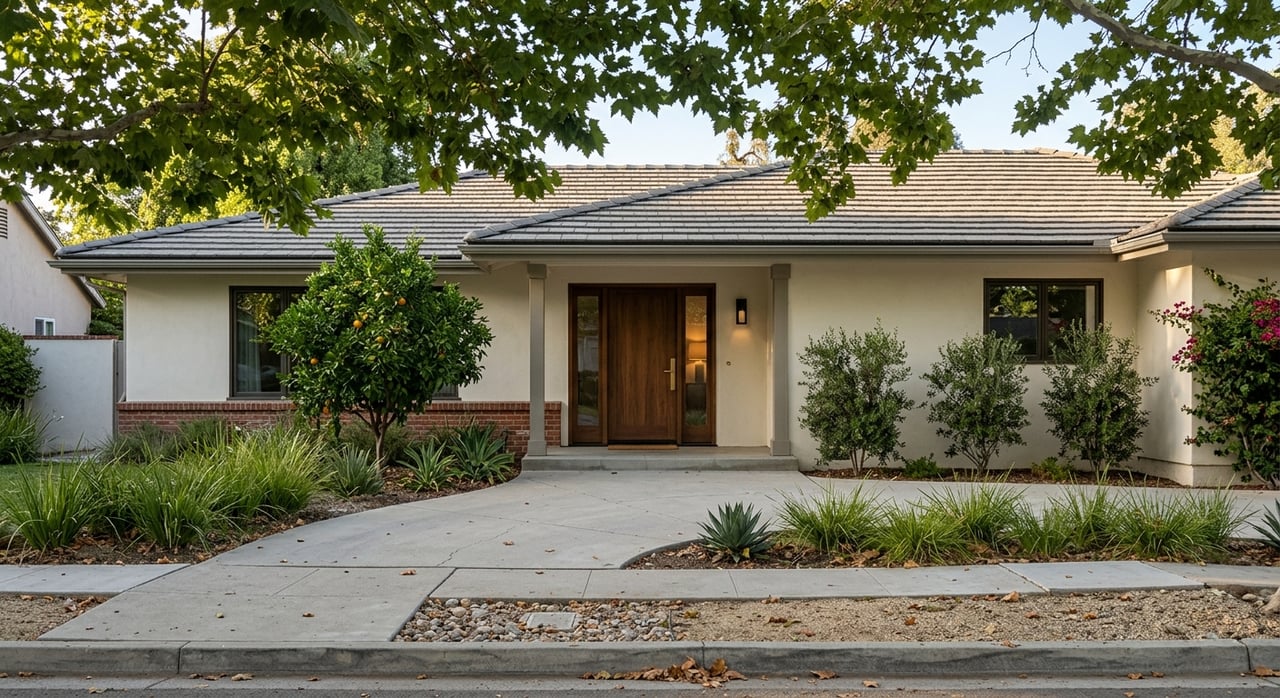
Over time, the area evolved in phases. The 1940s brought suburban homesites on large landscaped garden lots, and the post-World War II years added more ranch-style homes. That layered growth still shows up today in the corridor’s mix of older homes, custom residences, and varied architecture.
Why the Streets Feel Different
One of the first things many people notice about North Central is the canopy. Local planning materials describe rows of olive and ash trees, including private-property olive trees planted around 1905 to 1910, which help give the corridor its signature tree-lined feel.
In some stretches, there are no curbs or paved sidewalks in the right-of-way. That detail matters because it adds to the area’s parkway character and helps North Central feel different from many other parts of Phoenix.
Phoenix also points to broader benefits of the urban forest, including shade, energy savings, stormwater management, air-quality support, and visual appeal. In North Central, those citywide benefits become part of the everyday living experience.
Housing Character in North Central
North Central is known for a low-density residential pattern. The planning document notes that much of the corridor is zoned R1-10 single-family, and many lots have more than 120 feet of Central Avenue frontage.
Those generous lot dimensions and setbacks create room for mature landscaping and a more open streetscape. For buyers, that often translates into a sense of space that is not common in every central Phoenix location.
Architecturally, the area is not one-note. City records describe a mix of one- and two-story older homes, custom homes dating to the early 1900s, and a wide range of styles and materials.
There are also some pockets that break from the single-family pattern. The corridor includes atypical condo and patio-home development, including condominium projects from the 1950s and 1960s, which adds variety for buyers seeking a different ownership style.
Historic Presence Still Matters
North Central’s historic character is more than local lore. Historic preservation records identified 55 properties in the North Central Avenue area as eligible for historic designation.
Of those, three are listed in the Phoenix Historic Property Register, and two are listed on the National Register of Historic Places. The National Register listing for North Central Phoenix Farmhouses and Rural Estate Homes, 1895-1959, reinforces the area’s long-standing housing significance.
For you as a buyer or seller, that historic context helps explain why the neighborhood feels distinctive. The appeal comes not only from location, but also from a built environment shaped over many decades.
Outdoor Living and Daily Routine
The Murphy Bridle Path is one of the defining features of North Central. According to the City of Phoenix, it begins at Bethany Home Road and extends about two and a half miles north to the Arizona Canal.
The path is about 10 feet wide and is designed for pedestrians and bicyclists. Running between ash and olive trees, it has served as a neighborhood landmark for more than 100 years.
That kind of established path network changes how a neighborhood feels. In a desert city, shade and a dedicated route for walking or biking can become a real part of your daily routine.
Canal access adds even more recreational value. SRP says canal trails across metro Phoenix are free to use, and more than 80 miles of canal trails have been developed since 1964.
Phoenix has also continued expanding canal-side access through projects like the 12-mile Grand Canalscape, which adds features such as lighting, seating, and signalized crossings. Together, the bridle path and canal network support an outdoor-oriented lifestyle close to the city core.
Dining and Nearby Destinations
North Central is primarily residential, but it sits near several established central Phoenix lifestyle areas. Current city materials identify Melrose, between Indian School and Camelback Road, as an area with locally owned restaurants, diners, bars, cafes, antique shops, and boutiques.
The city also highlights Roosevelt Row and Grand Avenue as walkable arts districts with independent restaurants, bars, shops, and regular events. For residents of North Central, these areas help broaden your options for dining, errands, and going out.
Biltmore is another nearby reference point in central Phoenix. The city places both Biltmore and North Central within District 6, linking the corridor to one of Phoenix’s best-known landmark zones.
Getting Around From North Central
Central Avenue is not just visually distinctive. Phoenix planning documents describe it as a major arterial that runs from downtown Phoenix to Sunnyslope, and they note that daily commuters enjoy the corridor’s distinctive ambience.
That matters if you want a neighborhood with straightforward access to other parts of central Phoenix. North Central offers a residential setting while still connecting directly to downtown-oriented movement patterns.
Transit strengthens that convenience. Valley Metro Rail operates a 35-mile, two-line system with 51 stations, daily service of more than 20 hours, and 12-minute peak headways.
The B Line runs between Metro Parkway and Baseline/Central Avenue, and the South Central Extension/Downtown Hub opened on June 7, 2025. That expansion created a stronger north-south rail spine through central Phoenix, supporting broader mobility in the urban core.
Why Buyers and Sellers Watch North Central
North Central occupies a rare middle ground in Phoenix. You get historic character, mature landscaping, and larger-lot residential form, but you also stay closely connected to downtown, transit, canal recreation, and central dining districts.
For buyers, that mix can be compelling if you want an established neighborhood with a distinct sense of place. For sellers, those same traits help explain why the corridor often stands apart from more uniform housing areas.
The strongest case for North Central is simple: the streetscape, housing stock, and recreation network all work together. It is not just about being centrally located. It is about how the neighborhood lives.
If you are exploring North Central Phoenix or preparing to sell in the corridor, working with a team that understands the nuance of premium central Phoenix neighborhoods can make the process more informed and more strategic. Connect with Cambridge Properties to learn more.
FAQs
What is the North Central Phoenix corridor?
- North Central generally refers to the North Central Avenue corridor, with the City of Phoenix Special Planning District focusing on properties with a Central Avenue address or frontage from Northern Avenue to Missouri Avenue.
What makes North Central Phoenix feel different from other areas?
- The area is known for its tree-lined streetscape, mature olive and ash trees, large setbacks, low-density residential pattern, and the long-established Murphy Bridle Path.
What types of homes are found in North Central Phoenix?
- The corridor includes one- and two-story older homes, custom homes dating to the early 1900s, ranch-style homes, and some pockets of condos and patio-home style properties.
How long is the Murphy Bridle Path in North Central Phoenix?
- The City of Phoenix says the Murphy Bridle Path runs from Bethany Home Road about two and a half miles north to the Arizona Canal.
Is North Central Phoenix convenient for commuting?
- Yes. Central Avenue is a major arterial between downtown Phoenix and Sunnyslope, and the broader central Phoenix area is supported by Valley Metro Rail service and a stronger north-south rail connection through the urban core.
Does North Central Phoenix have historic significance?
- Yes. Historic preservation records identified 55 properties in the North Central Avenue area as eligible for historic designation, with additional recognition at the city and national levels.